
发布日期:2026-03-24 17:19 浏览次数:次
Recently, a reminder letter issued by the Ceramic Tile Sewing Technology Professional Committee of the China Ceramic Industry Association has attracted widespread attention in the industry. The document points out that due to the impact of the international situation, the prices of major raw materials for American sewing, such as epoxy resin, polyetheramine, and benzyl alcohol, have risen sharply and are severely out of stock. The procurement costs of enterprises have increased sharply, and the American sewing industry is facing unprecedented pressure.
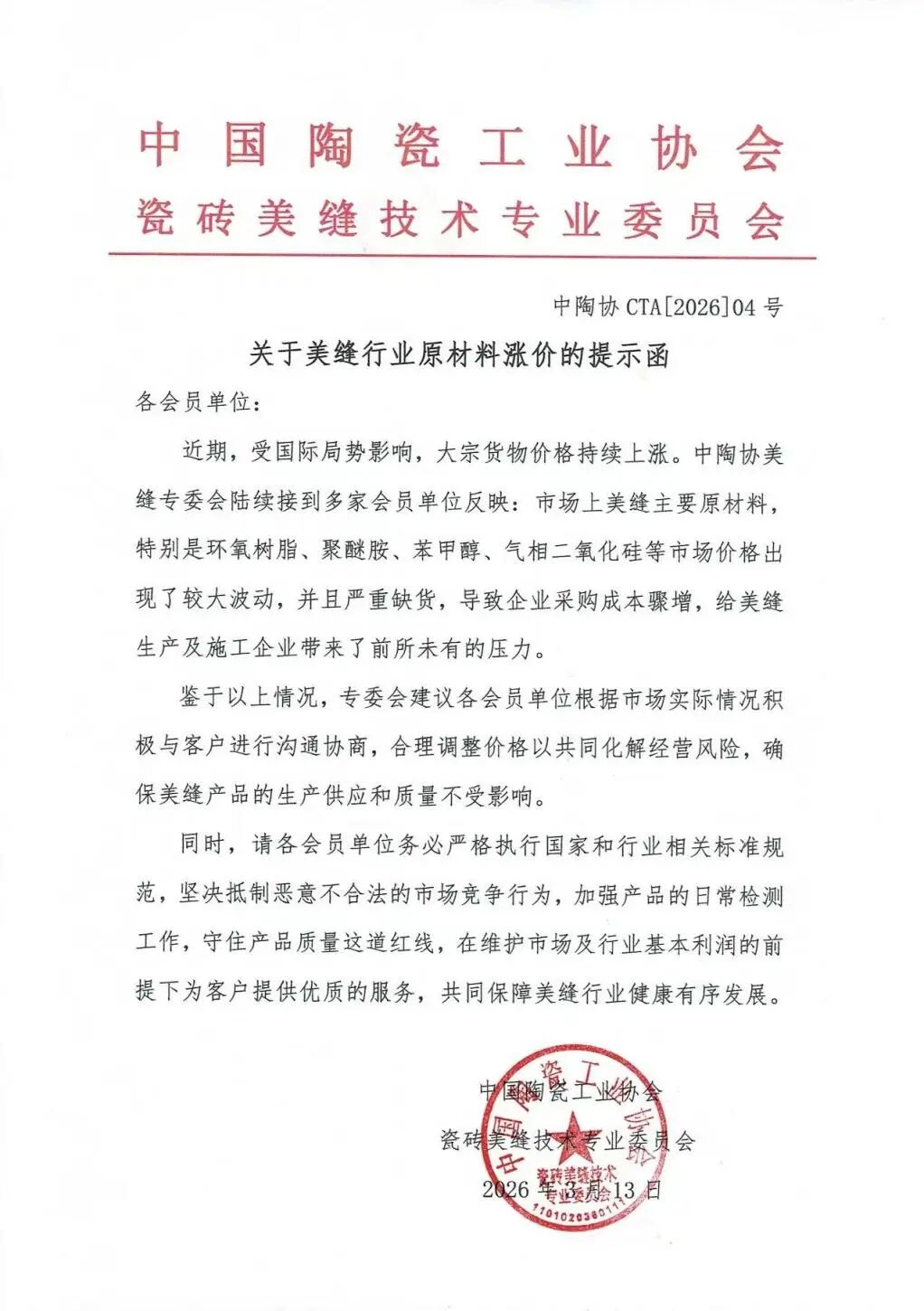
For a time, the question of whether there will be a shortage of Meisew has become a concern for many dealers and consumers. Under the wave of price increases, the resilience of the supply chain is becoming a touchstone for testing the strength of American sewing enterprises. And the answer may not be complicated:For small factories that rely on spot purchases and have tight capital chains, the risk of stockouts does exist; But for top enterprises that have mastered the source of raw materials and have a complete supply chain layoutThe Peak OneSpeaking of which, this is precisely the moment to showcase our advantages.
The first to bear the brunt of this round of raw material price increases are small and medium-sized sewing production enterprises.
For a long time, some small factories have relied on the "buy as you go" spot procurement model, lacking bargaining power over upstream raw materials and insufficient financial reserves for strategic stocking. When the prices of core raw materials such as epoxy resin soar and suppliers prioritize long-term cooperation with large customers, small factories often fall into a dual dilemma of "not being able to afford" or even "not being able to buy".
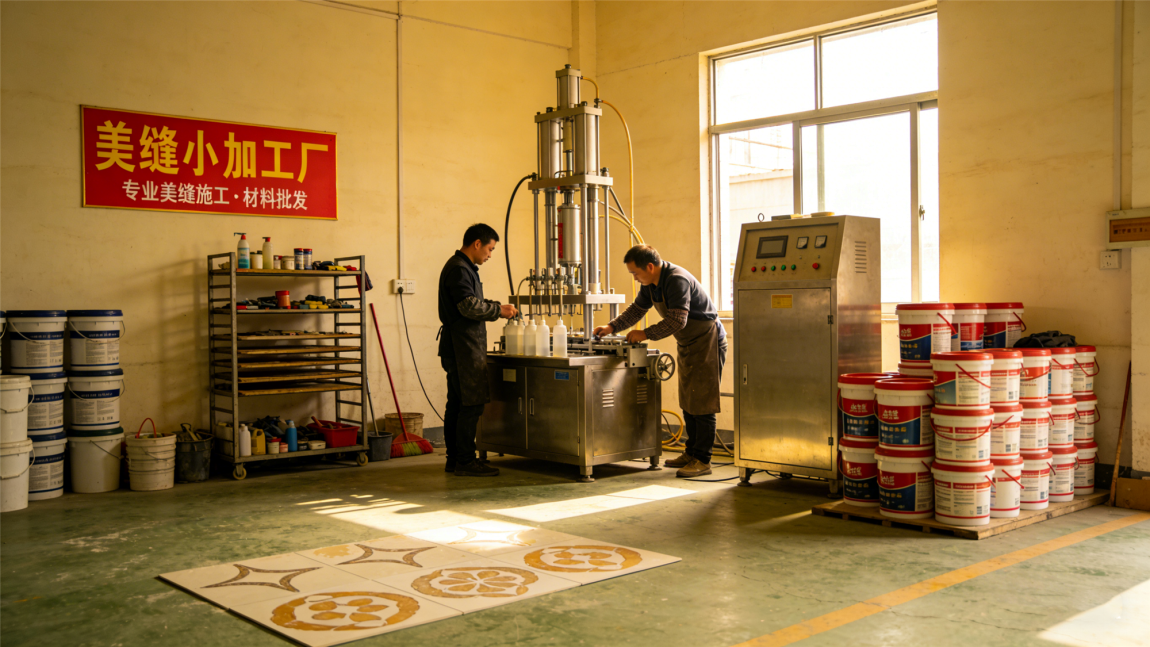
Even more seriously, even if they grit their teeth and purchase a small amount of raw materials at high prices to maintain production, cost pressure is difficult to transmit downstream - small factories lacking brand premium ability may directly lose customers if they raise prices rashly; If we don't raise the price, we will lose money every time we produce a grout. The sharp compression of profit margins is forcing a group of small factories lacking supply chain foundations to gradually exit the market.
In sharp contrast to the general anxiety in the industry, as one of the top suppliers of Meisew raw materials, the peak player appeared calm and composed in this fluctuation.
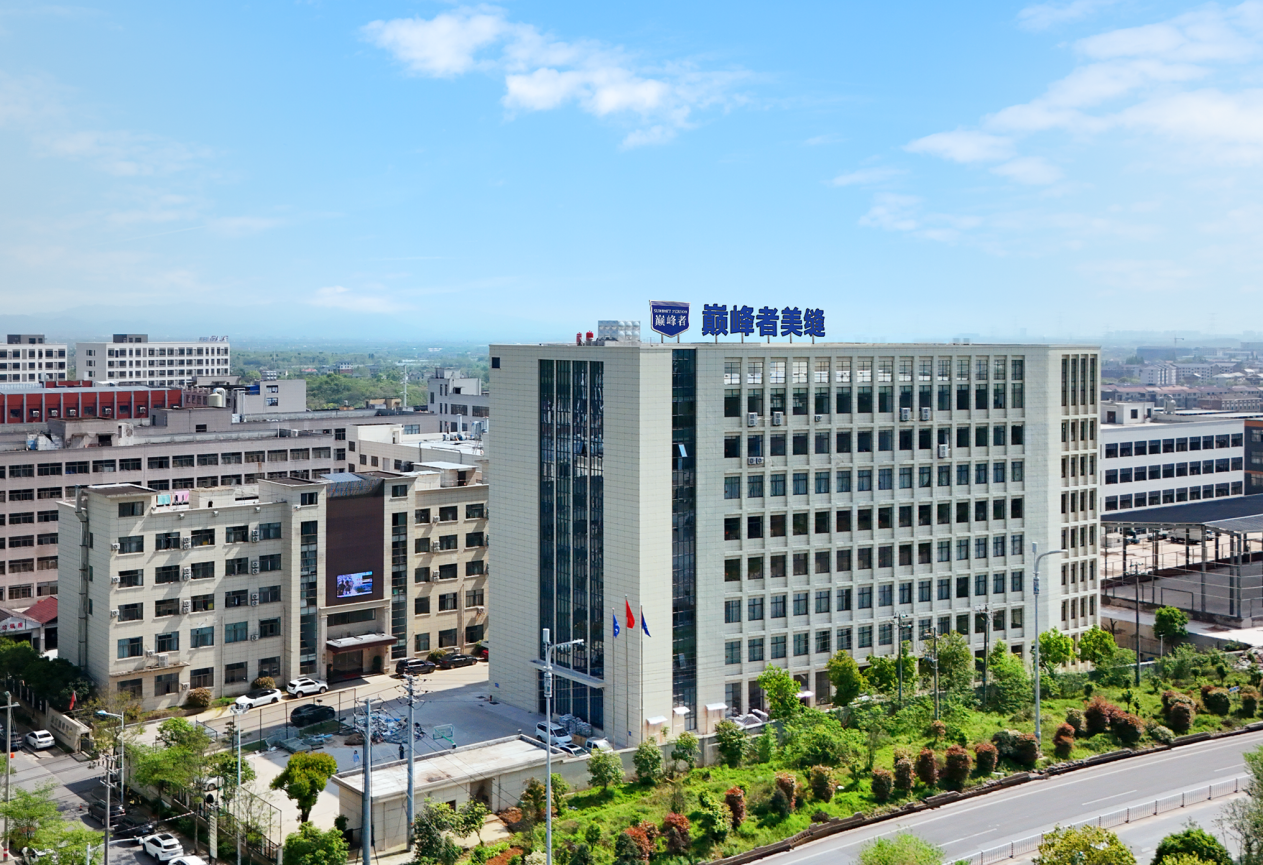
This composure stems from the pinnacle's deep control over the source of the industrial chain. Relying on Peak Group's more than ten years of deep cultivation in the field of epoxy resin since 2009, Peak is not only a manufacturer of finished products, but also a leading raw material application provider in the industry - this means that its ability to integrate upstream supply chains is far from comparable to ordinary peers.
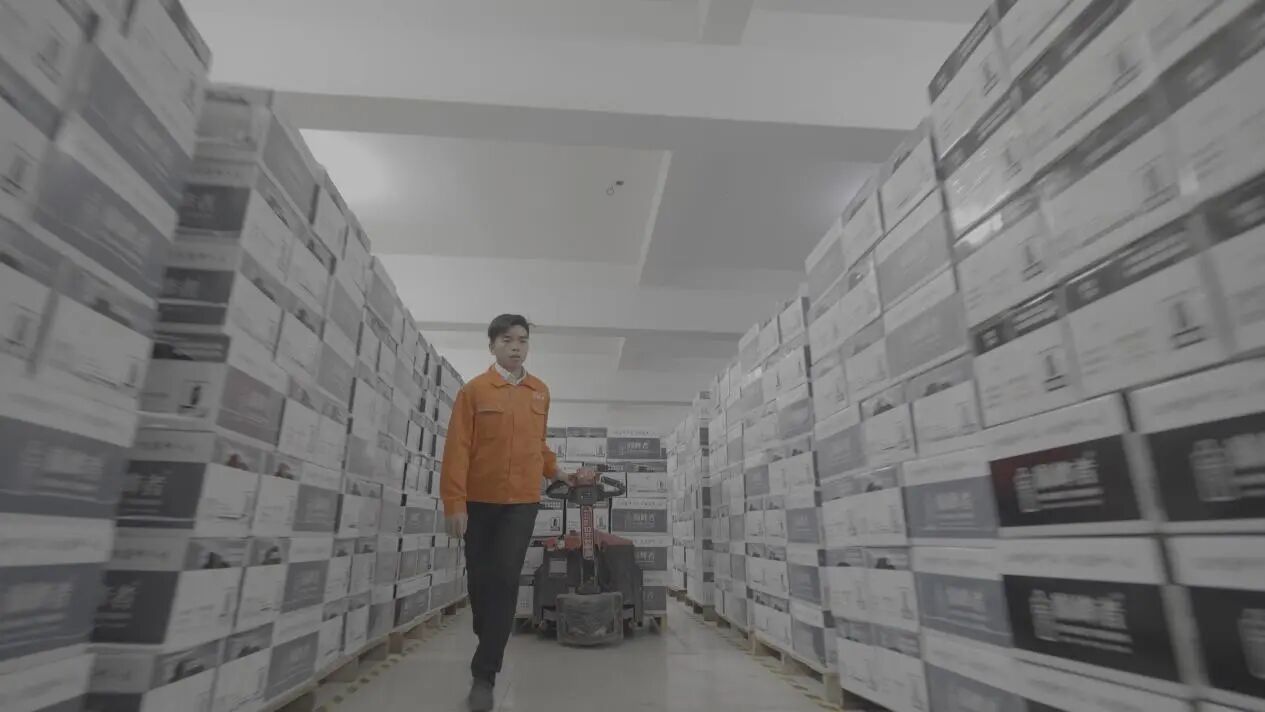
When the market is in a panic of "grabbing raw materials", Peak's 7 major production bases, 150 acres of factory area, and 120000 square meters of comprehensive usable area are operating efficiently. The daily production capacity of grout is as high as 200000 pieces, which is 2-3 times that of ordinary manufacturers; The four major warehouses in China have a standing inventory of over 3 million units, and the 48 hour logistics network can quickly cover the whole country. This large-scale production capacity layout and forward-looking inventory strategy areTile groutThe market supply has built a solid 'breakwater'.
More noteworthy is that Peak has a research and development laboratory of nearly a thousand square meters and a professional team led by doctoral supervisors and PhDs, investing over 3% of its annual revenue into research and development. This technological accumulation not only brings the ability to optimize formulas, but also provides flexible response space in the face of fluctuations in raw materials - independent research and development of production equipment, deep participation in upstream raw material application research, allowing peak players to quickly adjust production scheduling according to market changes, ensuring stable product supply.
The increase in raw material prices is like a "stress test" for the industry. In the short term, it brings business challenges to enterprises, but in the long run, it may push the sewing industry towards a healthier development track.
The association's reminder letter clearly states that it hopes member units can "uphold the red line of product quality" and "provide high-quality services to customers while maintaining the basic profits of the market and industry". This is an important symbol of industry maturity - bidding farewell to vicious competition at low prices and returning to the products and services themselves.
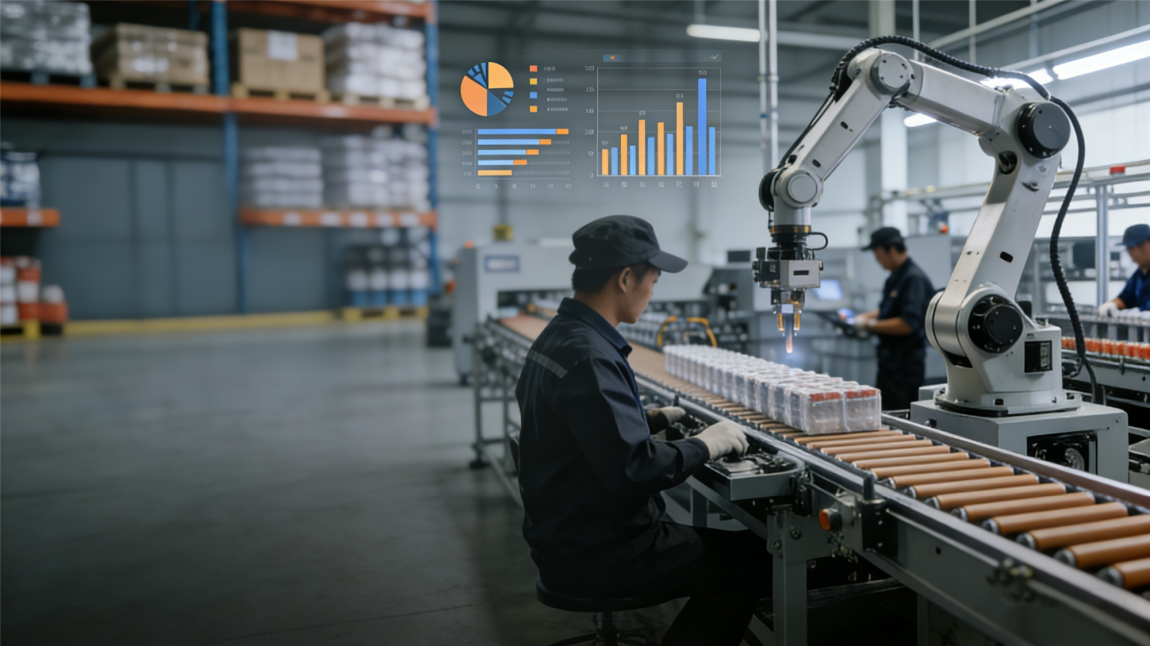
As a leading enterprise in the industry, the performance of Peak is worth paying attention to——exceedThe channel network consisting of 813 specialty stores, 300000 cooperative seamstresses, and over 10 million households' service experience determines that its stable supply is not only related to the enterprise itself, but also to industry confidence. From research and development to production, from warehousing to logistics, a complete supply chain system gives Peak Leader the confidence to promise to the market:No matter how the external environment changes, product supply will not be interrupted and quality standards will not decrease.
The shadow of rising raw material prices still lingers, and the reshuffle of the sewing industry has begun. Enterprises that lack a solid supply chain foundation and rely on low prices for momentum may gradually exit the stage, while brands that truly master core technologies and have full chain integration capabilities will stand more steadily in the wind and rain.
The answer to the question of whether there will be a shortage of American sewing products needs to be differentiated: the risk of stockouts in some small factories is real, but the top enterprises represented by the peak are fully capable of ensuring market supply with the advantages of being the largest supplier of raw materials, a sound supply chain layout, and a sense of responsibility for the healthy development of the industry.
As advocated in the association's reminder letter, while resolving business risks, we must also uphold the quality red line and maintain the basic profits of the industry in order to achieve true sustainable development. And this is precisely the promise that Peak is fulfilling - no matter how volatile the raw material market may be, to ensure that every grout arrives where it is needed on schedule.
服务热线